Pick the symptom you recognize
Illustrative symptom examples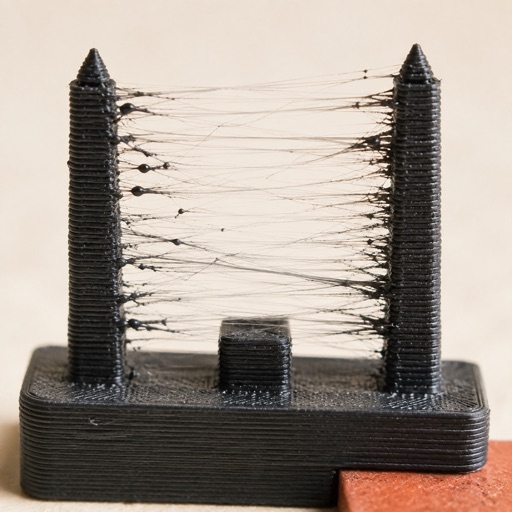
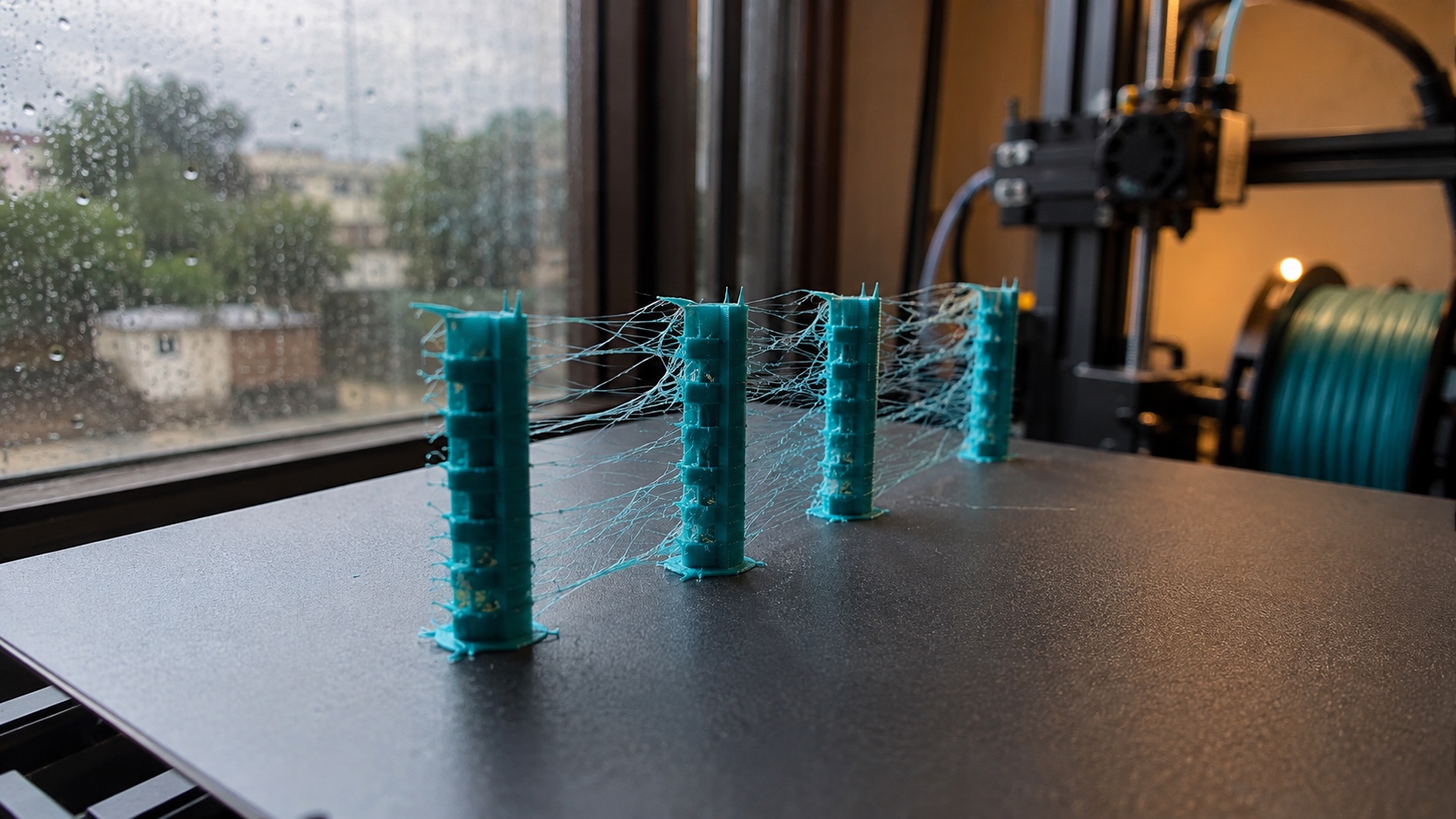
Stringing
Absorbed water flashes to steam at the nozzle, pulling thin trails between travel moves — retraction settings alone rarely fix it.
Snap a length off the spool before you print. Dry filament breaks clean; damp filament bends and whitens at the crease first.
Dry the spool at 45–55°C for 4–6 hours, then store it sealed below 20% RH so it stays that way.
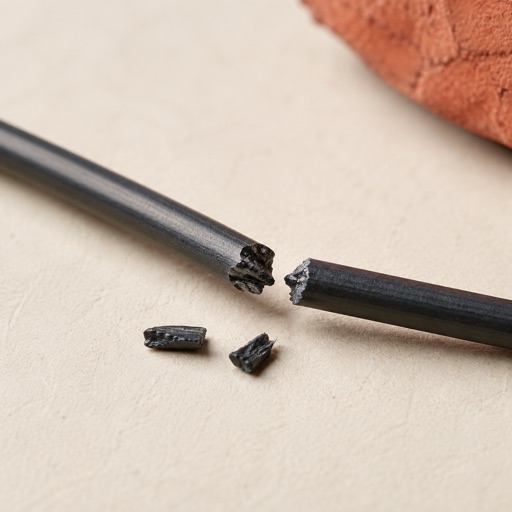
Brittle / snapping
Moisture plasticizes and then embrittles Nylon and PA-CF as it cycles through the hot end, weakening the filament strand itself.
Look at the break itself. A dry strand shears square, while a damp one crumbles and leaves dust along the feed path.
Dry before every session for hygroscopic materials and print directly from a sealed, desiccated container.
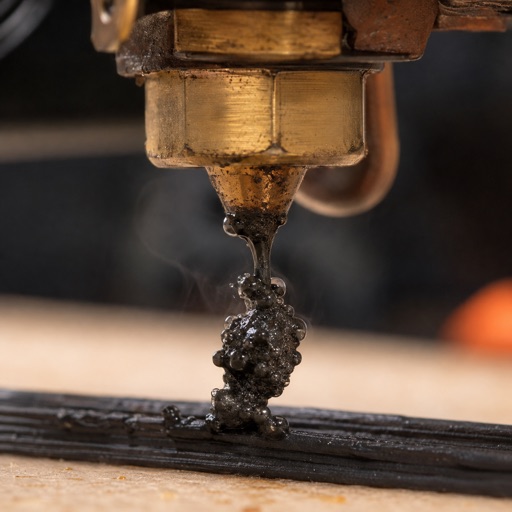
Nozzle popping
That crackling sound is trapped water flashing to steam inside the melt — it disrupts flow and pressure at the nozzle tip.
Purge 50 mm and listen at the tip. Crackling with a wisp of steam is water boiling, and a partial clog is silent.
A short 4-hour dry cycle at the material's safe temperature usually silences it within one print.
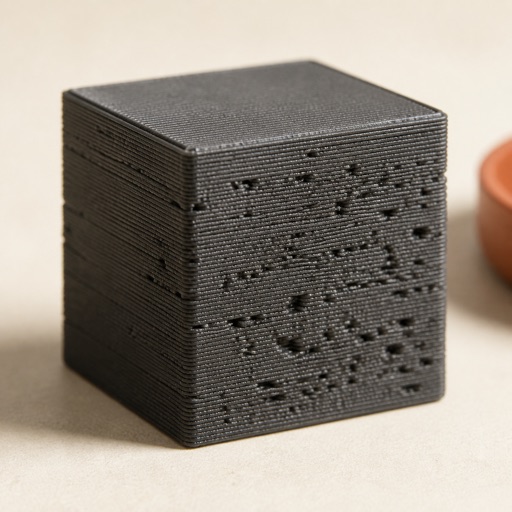
Rough surfaces
Steam bubbles escaping mid-extrusion pit the surface as the bead cools, especially visible on top layers and vertical walls.
Run a nail down a vertical wall. Pitting you can feel on a profile you have printed smooth before puts the blame on the spool.
Dry the spool, then keep it sealed under 20% RH between prints. PETG and TPU show this pitting readily; Nylon and PA-CF pick up moisture fastest of all.
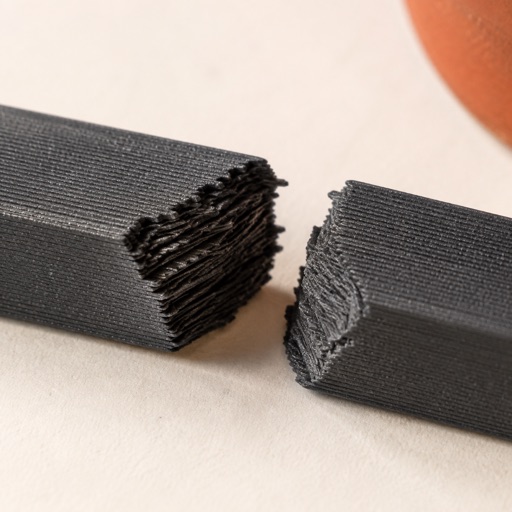
Weak layers
Moisture in the melt lowers inter-layer bonding strength, so parts fail along layer lines under load that dry prints survive.
Snap a test piece across the layer lines. A break that follows those lines exactly is a bonding problem rather than a flow one.
For structural PA-CF and Nylon parts, print straight from a sealed container — even a short air exposure matters.
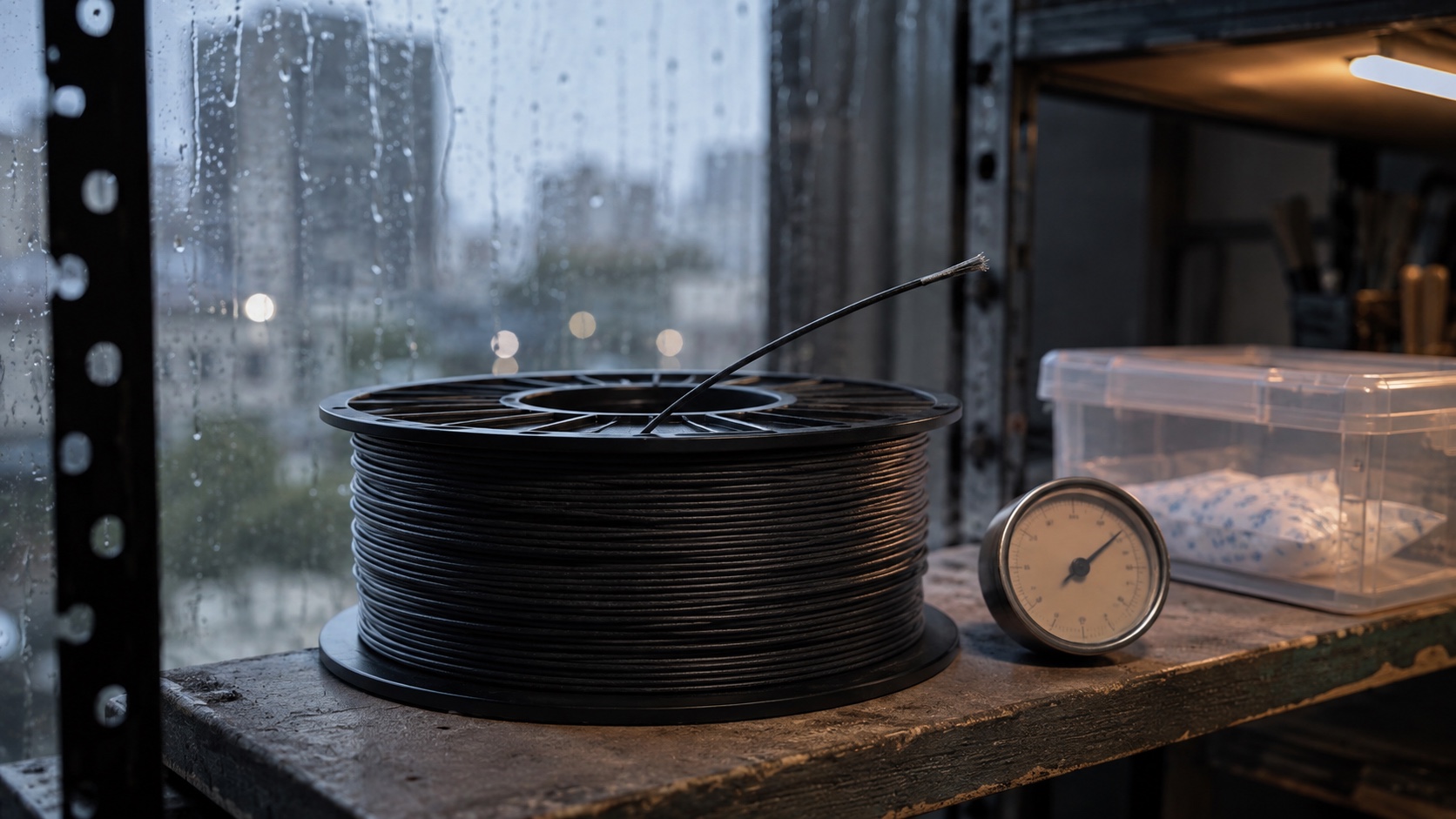
Seven days, one open spool of PETG
Example figures, not measurementsDashed line: 60% RH, the point PLA and PETG begin absorbing moisture fast enough to affect a print within days.
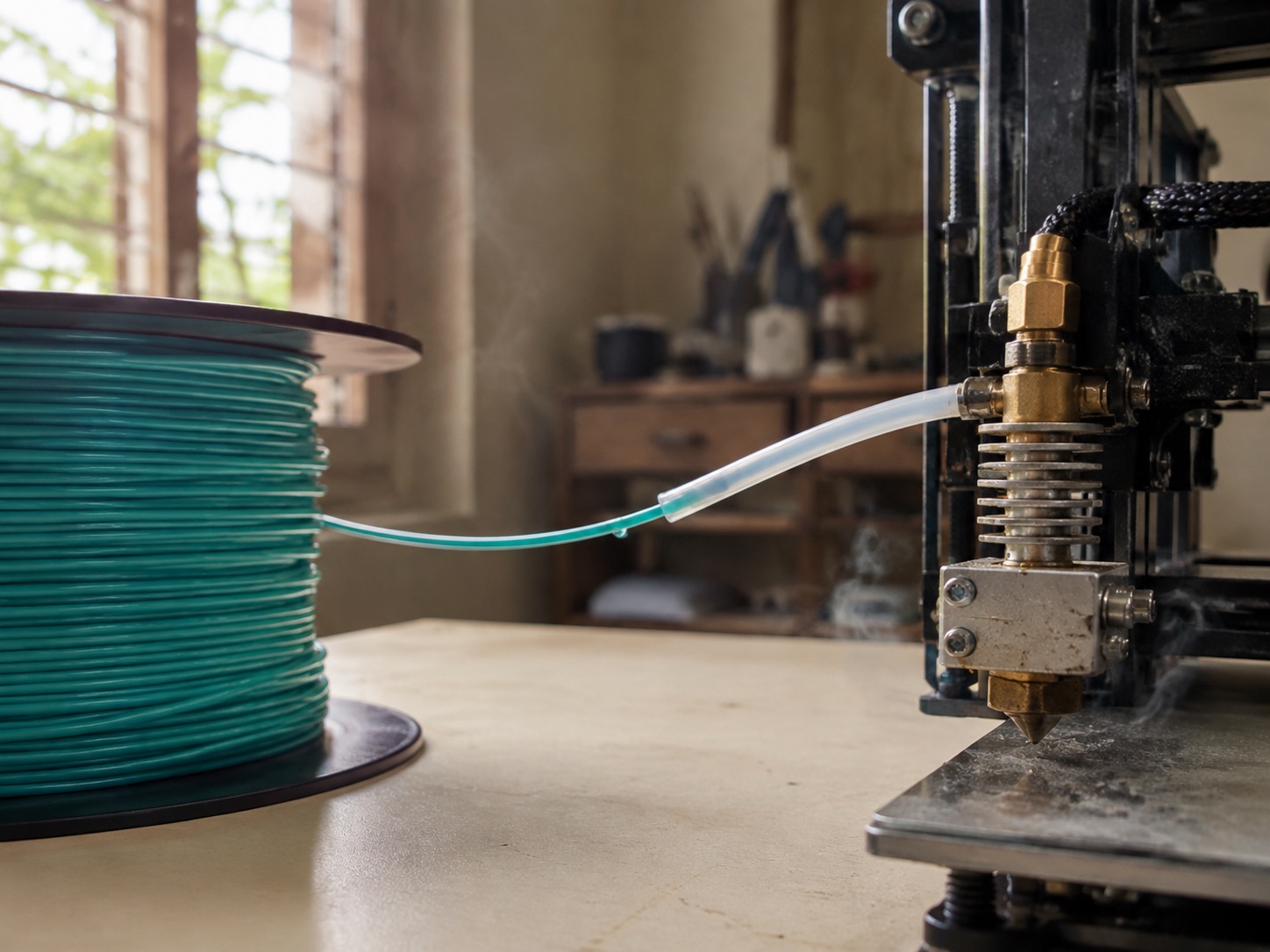
Illustrative image. It shows the filament path, not a measured test.
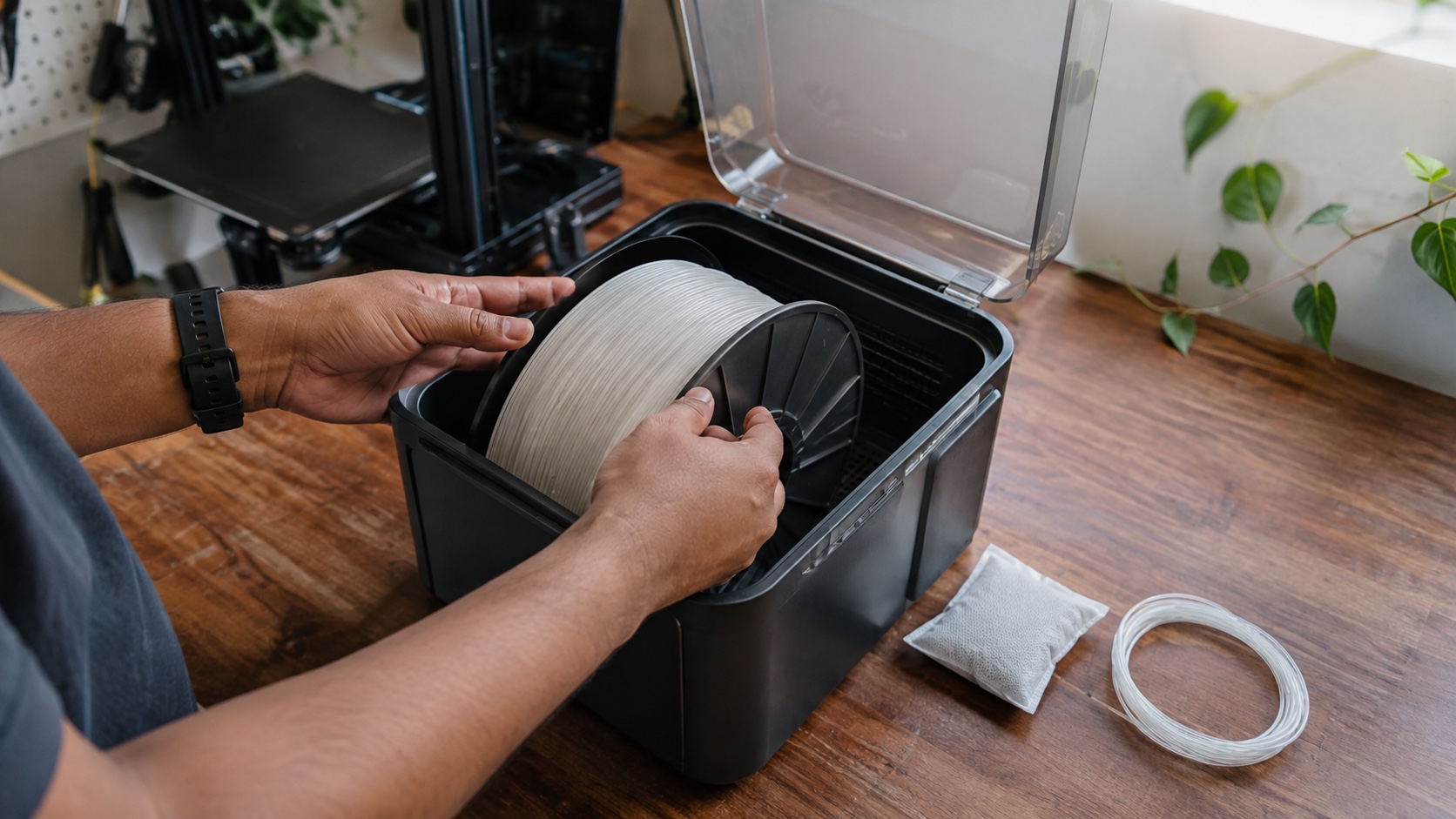
Keep the spool sealed, print through the seal
The Filament Storage Box keeps a spool sealed with desiccant and feeds filament through a PTFE port — so it never needs to come out to print.
Yes, a food container plus desiccant can work
A gasket-sealed kitchen container and a bag of silica can hold a spool dry for roughly what a finished box costs. Here's exactly what you'd still need to source, build, and maintain — and where a finished product earns its price instead.
Read the DIY comparison